
Porcelain veneers
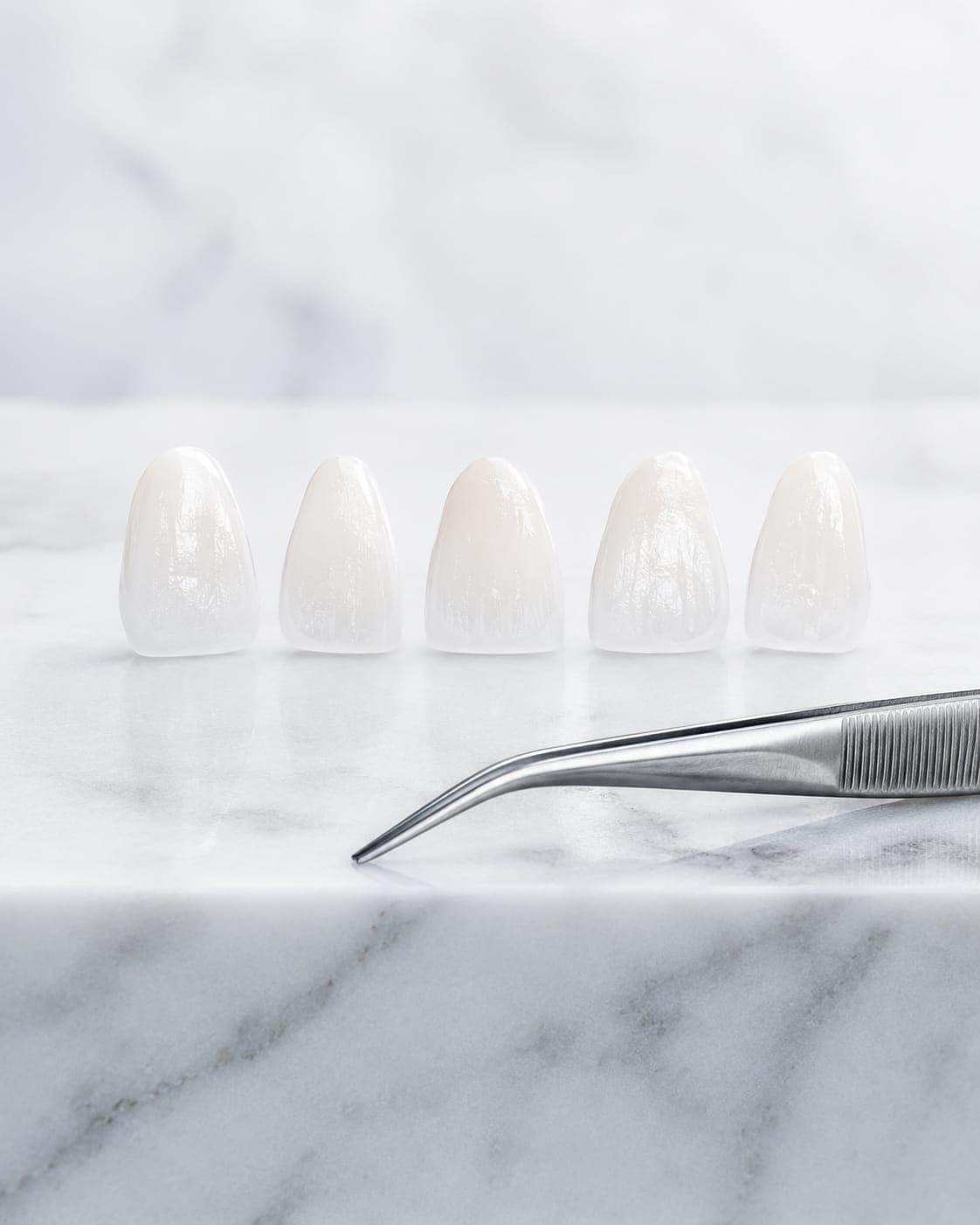
Thin shells of porcelain, bonded to the front of the teeth. Done well, nobody can tell — including you, after a week.
- Visits
- 2–3 visits
- Per visit
- 60–90 min
- Anaesthesia
- Local anaesthetic
What it involves
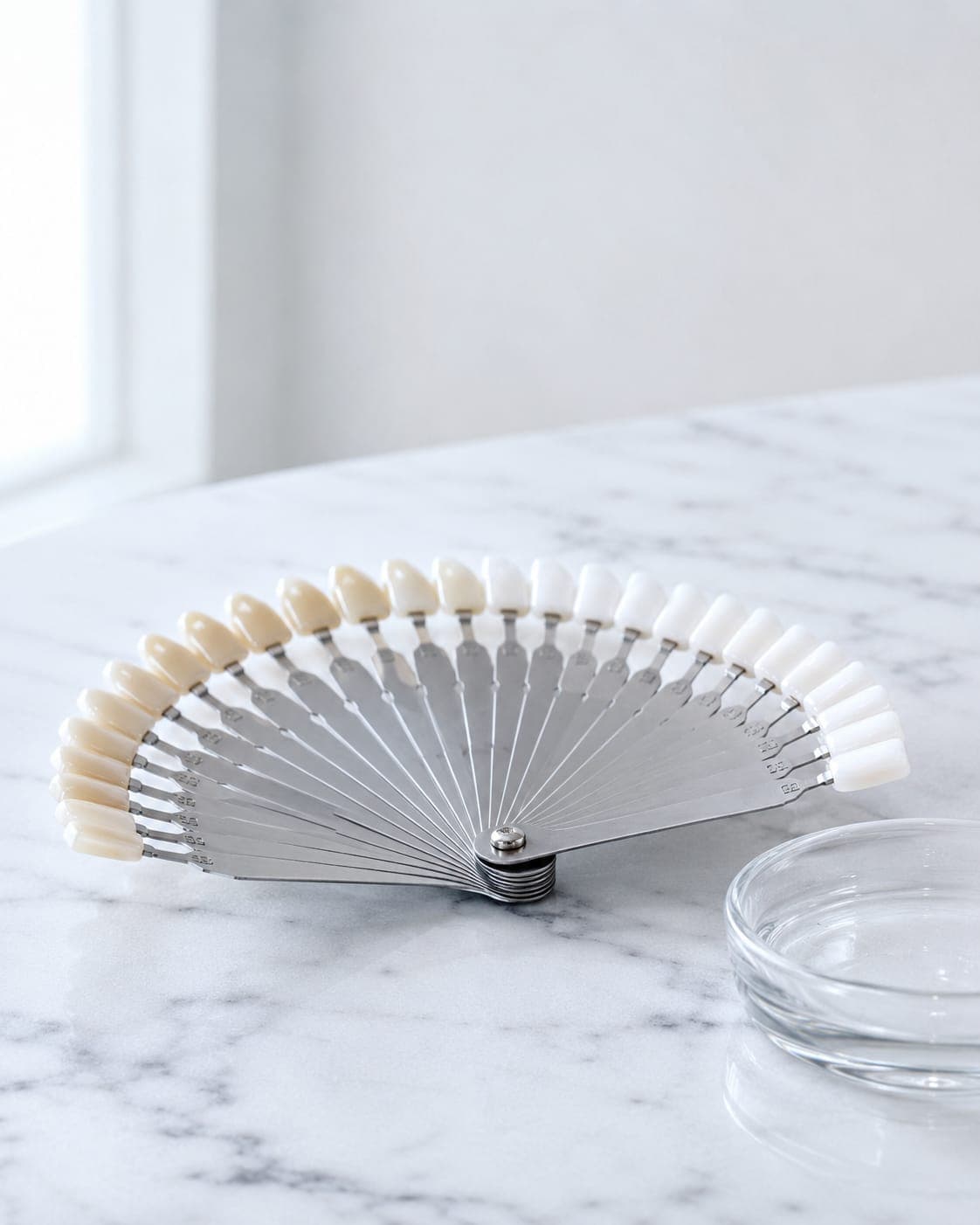
A veneer is a shell about half a millimetre thick, bonded to the front surface of a tooth. It changes shape, colour and apparent alignment in a way whitening alone cannot. Because so little of the tooth is touched, it is usually the most conservative way to change how a smile looks.
We design yours on the scan first. You see the proposed shape on screen, and in most cases wear a temporary mock-up for a few days before anything is prepared — so the decision is made in your own mirror rather than in the chair.
Who it is for
- Teeth that are chipped, worn or uneven at the edges
- Discolouration that whitening has not shifted
- Small gaps you would rather close without braces
- A smile line you have never quite liked in photographs
How it goes
- 01
Scan and design
A three-minute intraoral scan, photographs, and a conversation about what you want changed. You leave with a plan and a price.
- 02
Mock-up
A temporary version is fitted over your own teeth so you can live with the shape for a few days. Anything you dislike gets changed now, not later.
- 03
Preparation
Minimal reshaping under local anaesthetic, a final scan, and temporaries while the porcelain is made.
- 04
Fit
The veneers are tried in, adjusted and bonded. We check the bite before you leave, and again a fortnight later.
A case from the gallery
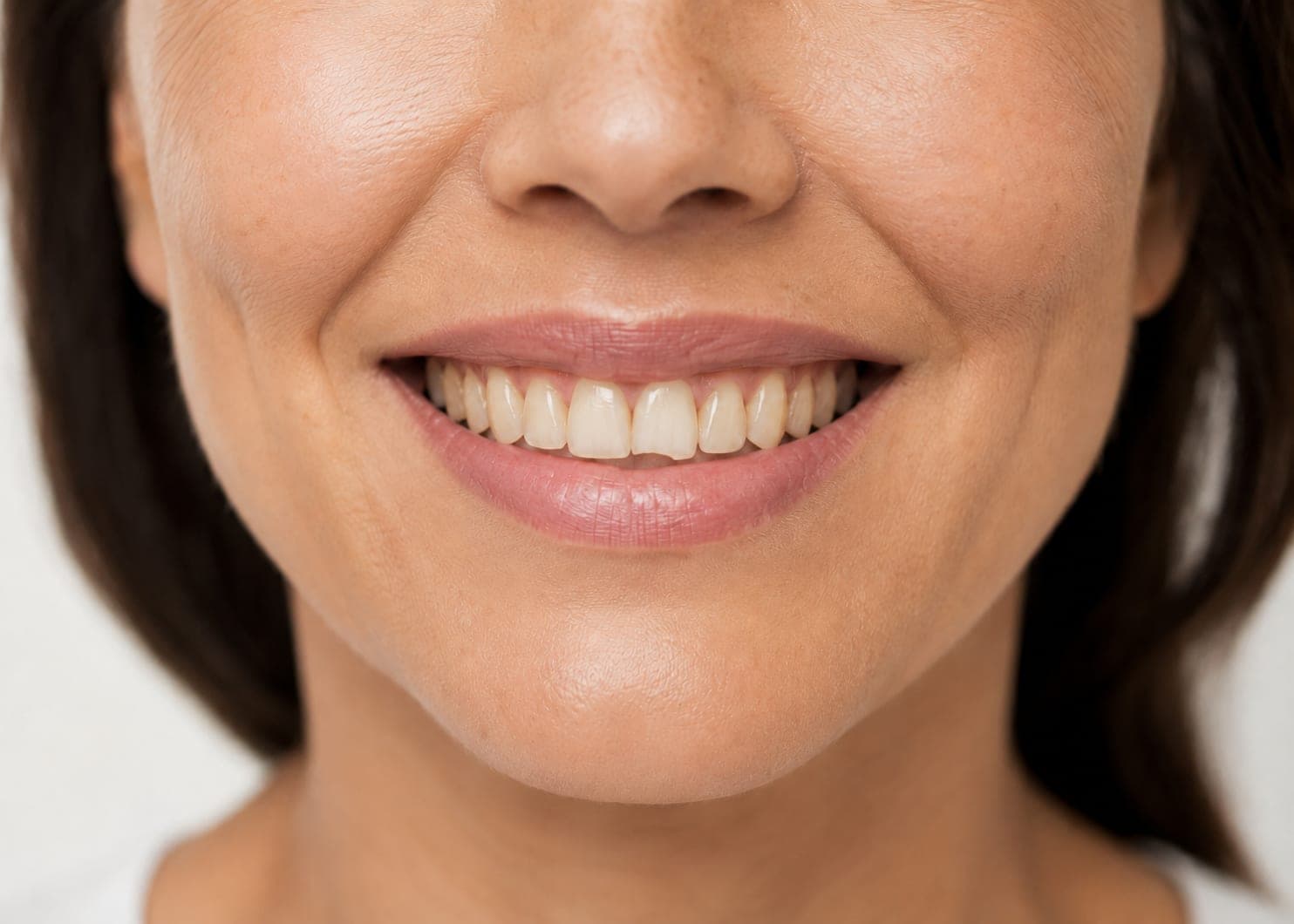
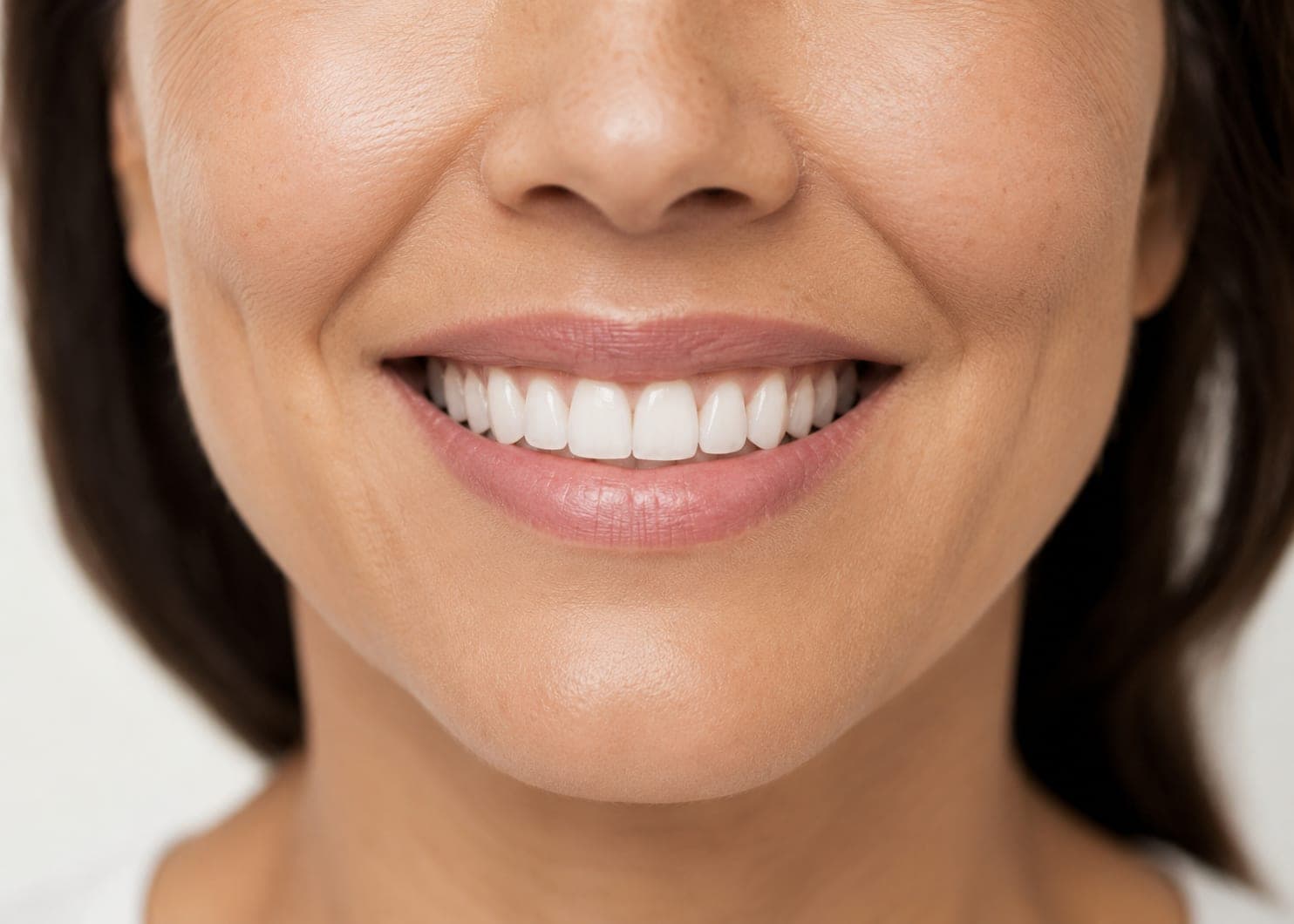
Eight upper veneers and a whitening session on the lower arch. Results vary by patient. Every plan starts with a scan and a conversation.
Worth knowing
Veneers are a long-term commitment: once a tooth is prepared it will always need a covering. If we think whitening or aligners would get you closer to what you actually want, we will say so.
Questions we get
Two to three visits across about three weeks, including a few days wearing a temporary mock-up. With good hygiene, and a nightguard if you grind, veneers commonly last ten years or more — but they are not permanent, and will eventually need replacing.
You receive a written plan with a fixed total before anything begins — no estimate that moves later. Treatment can be paid across the course of the work, agreed in advance, with no interest and no third party involved. Ask at the consultation and you will leave knowing the number.
Most of what we do happens under local anaesthetic, and you will feel pressure rather than pain. Topical gel goes on before the injection. For longer appointments — or if anxiety is the reason you have been putting this off — conscious sedation is available: you stay awake and responsive, but remember very little of it.